
Essential Packing Tips for a Luxury Morocco Tour: What Should You Pack?
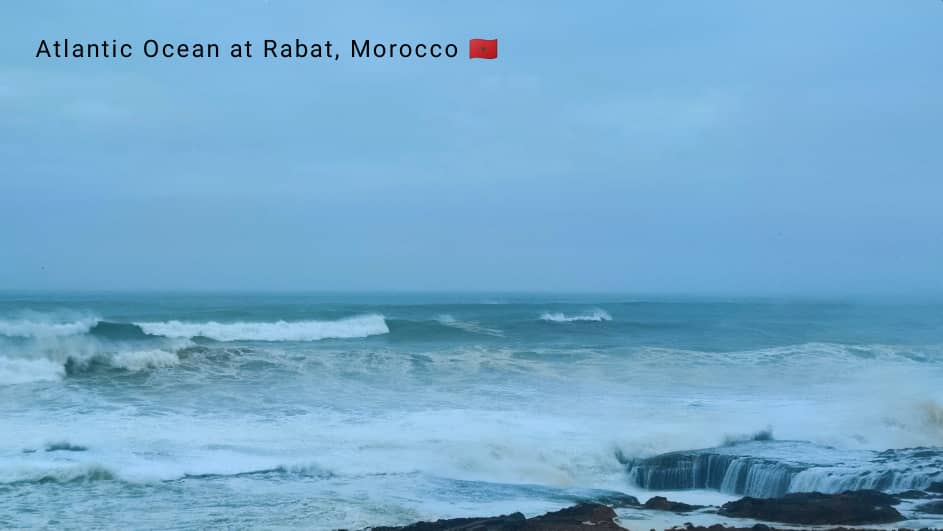
For a luxury Morocco tour, pack light layers, breathable modest clothing, broken-in walking shoes, a warm layer for mountain and desert evenings, sun protection, a scarf, a portable charger, and one versatile smart-casual outfit. Your exact list depends on the season and route: Marrakech and the medinas require comfortable walking clothes, the High Atlas needs warmer layers, and Sahara nights can be much cooler than desert afternoons. Check the forecast for each stop before departure and ask your tour planner about planned activities.
Quick facts
|
Trip situation
|
Pack first
|
Why it matters
|
|
Marrakech and medinas
|
Breathable layers and supportive walking shoes
|
You may walk on uneven streets and spend long periods outdoors.
|
|
High Atlas Mountains
|
A fleece, light insulated jacket, and grippy shoes
|
Mountain temperatures can be cooler than city temperatures.
|
|
Sahara Desert
|
Sun protection, a scarf, warm evening layers, and a small day bag
|
Desert days and nights can feel very different.
|
|
Luxury riads and dinners
|
One polished, lightweight outfit
|
A single versatile look can cover dinner, transfers, and an evening experience.
|
|
Any season
|
Refillable water bottle, personal medication, and travel documents
|
These are useful across nearly every itinerary.
|
What should you pack for a luxury Morocco tour?
1. Build a capsule wardrobe around layers
Choose a small set of pieces that can be worn in different combinations. Lightweight trousers, long skirts, breathable shirts, a fine knit, and a light jacket are more useful than several single-purpose outfits. Natural or moisture-managing fabrics can make warm sightseeing days more comfortable, while a compact layer helps when temperatures fall after sunset.
Morocco combines different environments in one journey. Paradijom’s travel guide describes warmer southern and desert conditions, cooler evenings, Atlantic influences, and possible winter snow in the Atlas Mountains. Pack for the route you are actually taking rather than for a single average temperature.
2. Choose respectful, practical clothing
In medinas, traditional neighborhoods, and rural communities, clothing that covers the shoulders and reaches at least to the knees is a practical choice. It also makes it easier to move between sightseeing, meals, and local visits without changing several times. Loose, opaque fabrics are generally more comfortable in heat than tight synthetic layers.
A scarf is useful for sun, dust, cool evenings, and extra coverage when appropriate. Clothing guidance is not a substitute for checking the expectations of a specific religious or cultural site. Mosque access varies; many historic mosques are not open to non-Muslim visitors.
3. Pack footwear for uneven ground
Bring one pair of supportive walking shoes or sneakers for medinas, city streets, and day excursions. Add a second pair only if your itinerary includes a dressier evening, pool time, or a demanding outdoor activity. Break in every pair before departure.
Avoid relying on new shoes, thin soles, or high heels for full days in old medinas. If your itinerary includes the Atlas Mountains, ask whether the planned walks require hiking shoes with stronger traction. The right choice depends on the actual route and weather.
4. Prepare for Sahara sun and cooler nights
A Sahara stop calls for a breathable daytime layer, sunglasses, a wide-brimmed hat or cap, high-SPF sunscreen, lip balm, and a scarf. Add a fleece or warm jacket for the evening and early morning. A compact headlamp can be useful around a camp after dark, although many luxury camps provide lighting.
Do not assume that a luxury desert camp makes outdoor conditions irrelevant. Facilities and heating vary by camp and season. the specific camp’s bedding, heating, electricity, luggage limits, and bathroom arrangements .
5. Bring one polished outfit, not a second suitcase
A neutral shirt, blouse, jumpsuit, dress, or lightweight blazer can be dressed up with jewelry and a scarf. Choose fabrics that resist wrinkles and shoes that remain comfortable after a full day of sightseeing. This approach works for a riad dinner, a refined restaurant, or an evening in a luxury camp without overpacking.
Paradijom’s current tour pages describe private journeys that can combine luxury riads, imperial cities, the High Atlas Mountains, and Sahara experiences. Ask for the planned dining and accommodation style if you want your evening wardrobe to match the itinerary.
6. Select useful accessories
A few small accessories can solve several travel problems. Pack sunglasses, a hat, a lightweight scarf, a crossbody bag with a secure closure, and a compact daypack for longer excursions. Keep valuable jewelry to a minimum and choose pieces that work with more than one outfit.
A secure bag is especially useful in busy markets and transport areas. Keep passports, cards, medication, and electronics organized rather than placing them loose in checked luggage.
7. Pack your technology and documents carefully
A phone, charging cable, power bank, and universal travel adapter cover most basic technology needs. Add a camera and spare memory cards if photography is a priority. Noise-canceling headphones can make long transfers more comfortable.
Store digital and offline copies of your passport, insurance details, reservations, emergency contacts, and prescriptions. Keep essential medication in your carry-on. the electrical plug, voltage, connectivity, and any device restrictions for the traveler’s departure country and accommodations.
8. Use a smaller bag for day excursions
A compact day bag is easier to carry through medinas, on transfers, and during outdoor stops. Pack water, sunscreen, tissues, hand sanitizer, a light layer, medication, and a portable charger. Leave room for small purchases without making the bag uncomfortable.
If your itinerary includes several hotel changes, use packing cubes or separate pouches for clean clothes, laundry, and electronics. This keeps a luxury trip feeling orderly without requiring a large suitcase.
What should women wear in Morocco?
Women can pack breathable tops, loose trousers, long skirts, dresses with coverage, a light cardigan, and a scarf. The most useful rule is flexibility: choose layers that can be adjusted for heat, wind, changing settings, and local expectations. A swimsuit is appropriate at a private pool or accommodation where it is expected, but it should not be used as general sightseeing clothing.
What should men wear in Morocco?
Men can pack lightweight trousers or longer shorts, breathable shirts, a light overshirt, and supportive walking shoes. For rural visits, religious contexts, or more conservative communities, longer and less revealing clothing is the practical choice. A light jacket or fleece remains useful for mountain and desert evenings.
How does the packing list change by season?
Spring and autumn
Use light layers, a warm evening layer, comfortable walking shoes, and sun protection. Paradijom’s current seasonal guide identifies March to May and September to November as especially useful periods for many Morocco itineraries, while noting that conditions differ by region.
Summer
Prioritize loose, breathable clothing, a hat, sunscreen, and a refillable water bottle. If the itinerary includes the south or Sahara, confirm the expected heat and daily activity schedule before booking. Paradijom’s guide warns that summer heat is more intense in the south and recommends considering cooler northern or coastal destinations.
Winter
Add a warm jacket, sweaters or fleece layers, and warmer sleepwear. The Atlas Mountains and desert can be cold at night even when city afternoons feel mild. Check current mountain-road conditions and the accommodation’s heating arrangements for winter departures.
How much luggage should you bring?
A medium suitcase or soft-sided travel bag plus a small day bag is usually a practical starting point for a private multi-stop itinerary. The ideal size depends on luggage transfers, vehicle space, laundry access, airline rules, and whether the trip includes camel transfers or remote camp access.
Ask your tour planner about the longest transfer, the vehicle’s luggage capacity, and whether you will need to carry bags away from a vehicle. Do not promise a specific luggage limit without confirming it for the traveler’s vehicle.
First-hand local perspective: what can be verified
Paradijom identifies Ben Khalid as its founder and describes him as Morocco-based and born near the Sahara Desert. The site’s current travel guide also says he has personally guided travelers through Morocco’s cities, mountains, and desert regions. That local perspective supports a route-aware packing approach: plan for regional changes instead of treating Morocco as one uniform climate.
The practical recommendations in this guide are therefore framed as planning guidance, not as a claim that every traveler needs the same items. The operator should confirm the final list against the traveler’s dates, route, accommodation, activities, and personal needs.
Frequently asked questions
Do I need warm clothes for the Sahara Desert?
Yes. Desert afternoons can be hot, but evenings and early mornings can be cool, particularly outside summer. Pack a warm layer and confirm the camp’s heating and bedding arrangements before departure.
Are shorts acceptable in Morocco?
Shorts may be comfortable in some private or resort settings, but longer, looser clothing is the more versatile choice for medinas, rural visits, and conservative communities. Check the expectations for specific sites and activities.
Do I need hiking boots for a Morocco tour?
Not necessarily. Supportive walking shoes are often enough for city sightseeing and light walks. Bring hiking shoes only if your confirmed itinerary includes steeper, rocky, or wet trails. Ask the operator what terrain and distances to expect.
Should I pack a scarf for Morocco?
Yes. A lightweight scarf can provide sun and wind protection, add warmth in the evening, and offer extra coverage when appropriate. It is small enough to keep in a day bag.
Can I do laundry during a luxury Morocco tour?
Laundry availability depends on the riad, hotel, camp, route, and length of stay. Ask before departure rather than relying on a service that has not been confirmed. A small amount of sink-wash detergent can be useful if airline rules permit it.
What luggage works best for a Morocco tour?
Choose luggage that you can lift and move over uneven surfaces. A medium suitcase or soft-sided bag plus a small day bag is a practical starting point, but vehicle and camp arrangements vary. Confirm limits with your tour planner.
What does a Paradijom private Morocco tour include?
Paradijom’s FAQ says its private tours generally include a private air-conditioned vehicle, professional driver, local guide, selected accommodation, airport transfers, most meals, entrance fees listed in the itinerary, and 24/7 WhatsApp support. International flights are not included.
How can I ask Paradijom for a route-specific packing list?
Contact Paradijom with your dates, route, activities, and accommodation preferences. The contact page says Ben personally replies, usually within 2–4 hours, and offers a free consultation. Ask specifically about walking conditions, camp facilities, laundry, luggage transfers, and expected temperatures.
Plan a private Morocco tour around your travel style
A good packing list starts with the itinerary. Paradijom’s custom Morocco tours are described as tailor-made journeys that can include Marrakech, Fes, Meknes, Rabat, the High Atlas Mountains, luxury riads, and Sahara experiences. For an imperial-cities route, see Custom Luxury Tours Morocco. For seasonal planning, read the best time to visit Morocco guide.
Contact Paradijom to request a route-specific recommendation before you pack. Include your travel dates, destinations, planned activities, preferred luggage, and any mobility, dietary, or medical considerations.
“For a fully personalised private experience, see our luxury Morocco tours designed by Ben Khalid.”
Author and reviewer
•Author: Ben Khalid, Founder, Paradijom
•Reviewer: Paradijom local travel team
•First-hand experience statement: Paradijom describes Ben as Morocco-based and born near the Sahara Desert, with personal guiding experience across Morocco.
•Last reviewed: 2026-09-18
