
Immersive Experiences in Morocco: How to Connect with Local Culture on a Luxury Tour
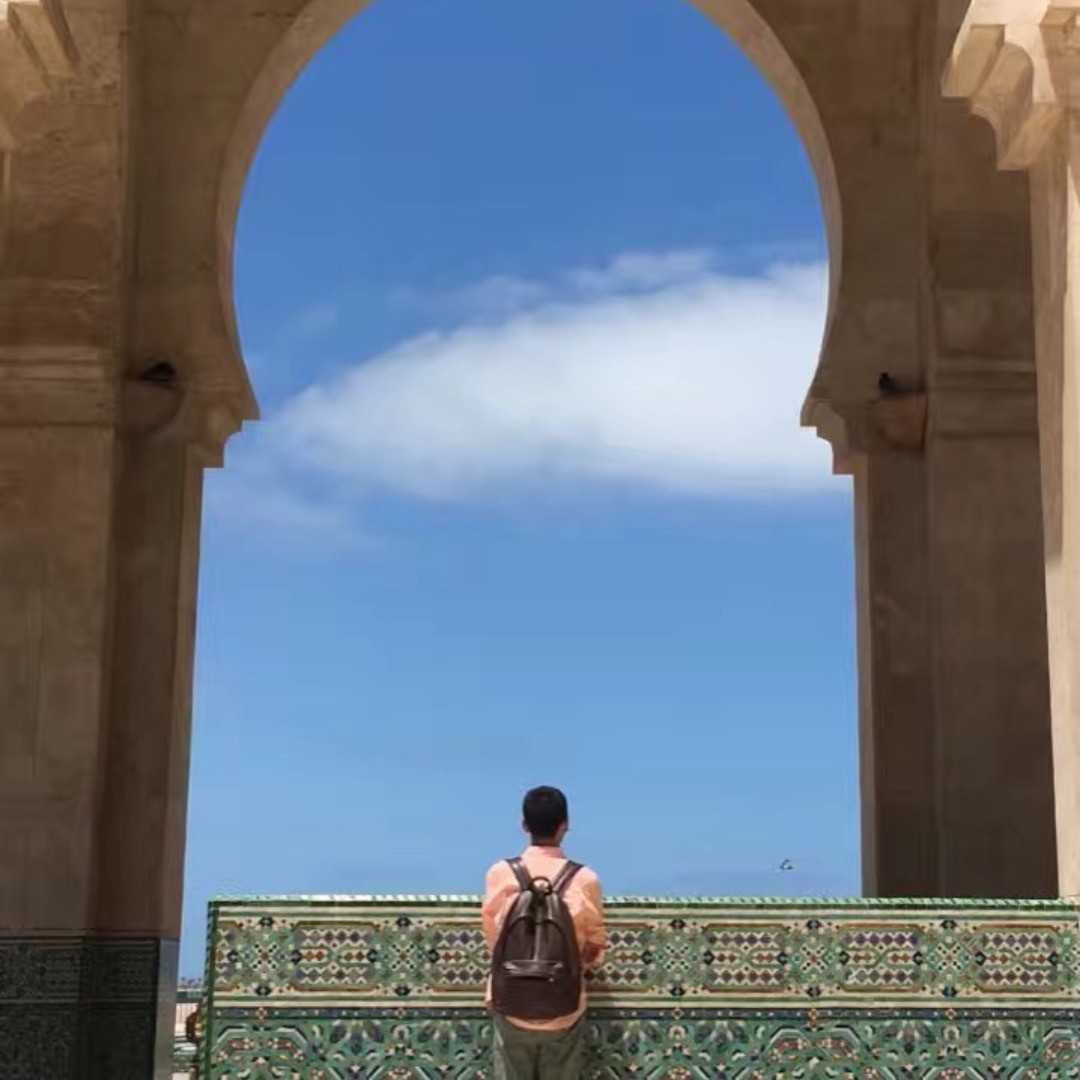
Luxury Cultural Tour in Morocco: Connect with Local Traditions
The best way to experience Moroccan culture on a luxury tour is to make time for genuine local encounters. Visit artisan workshops, stay in a traditional riad, discover regional cuisine, listen to local music, and learn about the traditions that shape everyday life. With a private guide and a thoughtfully designed itinerary, you can explore Morocco at a comfortable pace while gaining a deeper understanding of its people and heritage.
Morocco offers many different cultural experiences. Marrakech is known for its lively medina, traditional architecture, and souks. Fes offers a fascinating insight into historic urban life and craftsmanship. The High Atlas Mountains introduce travelers to Amazigh culture and mountain landscapes, while the Sahara and Atlantic coast reveal other sides of the country’s heritage.
At Paradijom, we create private Morocco tours shaped around your interests, travel dates, preferred pace, and budget. Whether you are interested in traditional crafts, architecture, food, music, or regional traditions, your journey can be designed to bring these experiences together.
Quick Answer: How Can You Experience Moroccan Culture on a Luxury Tour?
To experience Moroccan culture during a luxury tour, prioritize meaningful encounters rather than simply visiting famous attractions. Meet local artisans, explore historic medinas with a knowledgeable guide, stay in a traditional riad, enjoy Moroccan cooking, and discover regional music and traditions.
A private itinerary gives you more flexibility to spend time on the experiences that interest you most, while maintaining comfortable accommodation and private transportation.
Quick Facts About Cultural Experiences in Morocco
| Question | Short answer |
|---|---|
| What is a meaningful cultural experience? | A workshop visit, locally led food experience, traditional music performance, or guided encounter with regional traditions. |
| Can luxury travel feel authentic? | Yes. Comfort and cultural connection can complement each other. |
| Which destinations are best for culture? | Marrakech, Fes, the High Atlas, the Sahara, and Essaouira each offer different perspectives. |
| Should I learn local greetings? | A few words in Moroccan Arabic, or Darija, are a useful and respectful start. |
| Can I personalize my itinerary? | Yes. A custom Morocco tour can focus on crafts, food, history, architecture, music, or landscapes. |
1. Meet Moroccan Artisans and Discover Traditional Crafts
Moroccan craftsmanship is one of the country’s most distinctive cultural features. Across its cities and regions, artisans continue to work with materials and techniques passed down through generations.
Depending on your route and interests, you may discover:
- Carpet weaving: Learn about traditional patterns, wool, natural colors, and weaving techniques.
- Pottery and ceramics: See how clay is shaped, decorated, and transformed into everyday objects.
- Zellij tilework: Discover the geometric designs used in Moroccan architecture.
- Leatherwork: Learn about traditional leather products and the skills involved in making them.
- Wood carving and metalwork: Explore decorative techniques used in doors, furniture, lamps, and architectural details.
A good artisan visit should offer more than an opportunity to shop. Ask your guide to help arrange a visit where you can understand the craft, observe the working process, and speak with the maker when possible.
If you want to take photographs, ask permission first. If you decide to purchase something, ask about its materials, origin, production process, and the person or workshop responsible for making it.
For travelers who want craftsmanship to be a central part of their journey, a custom Morocco tour can be planned around traditional workshops and cultural interests.
2. Stay in a Traditional Moroccan Riad
A riad is a traditional Moroccan house built around an interior courtyard. Many historic riads have been carefully adapted into boutique guesthouses and luxury accommodation.
Their architecture often features intricate zellij tiles, carved plaster, traditional woodwork, fountains, and peaceful courtyards. Staying in a riad can make the experience of visiting a historic medina more personal because the building itself reflects local architectural traditions.
A well-chosen riad can offer:
- A traditional architectural setting.
- An intimate atmosphere and personalized hospitality.
- A peaceful courtyard away from busy streets.
- A convenient base for exploring historic neighborhoods.
- Opportunities to discover Moroccan design and decoration.
Not every riad offers the same level of comfort or accessibility. Before booking, confirm its location, room category, facilities, access for vehicles, air conditioning, and any mobility requirements.
Travelers seeking additional facilities, wellness services, or a larger resort-style environment may prefer a luxury hotel. A private itinerary can combine different accommodation styles according to the route and personal preferences.
3. Discover Moroccan Language, Music, and Traditions
Learn a few words in Darija
Moroccan Arabic, commonly called Darija, is widely used in everyday conversations. Learning a few simple greetings can make interactions with local people warmer and more personal.
Useful expressions include:
- Salam alaykum: Hello or peace be upon you.
- Shukran: Thank you.
- Afak: Please.
- Labas?: How are you?
Pronunciation and everyday expressions can vary. Your local guide can help you use these phrases naturally. Amazigh languages are also spoken in many parts of Morocco, particularly in communities across the Atlas Mountains and other regions.
Discover Gnawa music
Music is another way to understand Morocco’s cultural diversity. Gnawa music has deep historical and spiritual dimensions, combining musical performances with traditions and practices passed down through generations.
UNESCO inscribed Gnawa on its Representative List of the Intangible Cultural Heritage of Humanity in 2019.
Travelers may encounter Gnawa music through cultural performances, local events, or festivals. The annual Gnaoua and World Music Festival in Essaouira is a particularly well-known event.
When attending a performance, respect the musicians and the setting. Ask before taking photographs or recording, and allow your guide to explain the cultural context.
Experience Moroccan folklore
In Marrakech, visitors can also find commercial dinner shows and folklore performances featuring regional music, dance, and equestrian displays. These are staged entertainment experiences rather than private encounters with everyday community traditions, but they can be enjoyable additions to an itinerary.
Your tour designer can help you decide which type of performance best matches your interests and confirm the venue, schedule, and booking arrangements.
4. Explore Moroccan Culture Through Food
Moroccan cuisine is an important part of the country’s cultural identity. Food brings together regional ingredients, family traditions, hospitality, and techniques that have developed over generations.
A culinary experience can involve more than sitting down at a restaurant. You might visit a local market, discover seasonal ingredients, learn how spices are used, or take part in a cooking lesson.
Some dishes and food traditions worth discovering include:
- Tagine: Slow-cooked dishes prepared in a traditional conical cooking vessel.
- Couscous: A traditional dish associated with family meals and social occasions.
- Zaalouk: A cooked salad commonly prepared with eggplant and tomatoes.
- Taktouka: A cooked pepper and tomato salad.
- Moroccan mint tea: A familiar part of hospitality and social gatherings.
- Khobz: Traditional Moroccan bread served with many meals.
A private cooking experience may include a visit to a market, ingredient selection, preparation, and a shared meal. The exact format depends on the host and the experience arranged.
Tell your tour designer about allergies, dietary restrictions, vegetarian or vegan preferences, and any other food requirements before the trip. Confirm how these needs can be accommodated with the experience provider.
For travelers who want food to be a major part of their journey, a tailor-made itinerary can include culinary experiences alongside visits to cities, villages, and regional landscapes.
5. Which Moroccan Destinations Offer the Best Cultural Experiences?
Morocco’s regions have different architectural styles, traditions, landscapes, and ways of life. Choosing the right destinations depends on what you want to discover.
Marrakech: Crafts, Architecture, and Everyday Life
Marrakech is an excellent starting point for a cultural journey. Its historic medina, souks, palaces, gardens, and traditional neighborhoods offer many opportunities to discover Moroccan architecture and craftsmanship.
Consider including:
- A guided walk through the historic medina.
- Visits to traditional artisan workshops.
- The Bahia Palace and other historic sites.
- A traditional riad stay.
- A Moroccan food experience.
- An evening exploring the atmosphere of Jemaa el-Fnaa.
Fes: Historic Heritage and Traditional Craftsmanship
Fes is particularly interesting for travelers who want to understand Morocco’s historic urban culture. Its medina is known for traditional workshops, historic religious and educational architecture, and long-established craft traditions.
A knowledgeable local guide can help explain the history of the city and the significance of its buildings, neighborhoods, and working crafts.
The High Atlas Mountains: Amazigh Culture and Mountain Landscapes
The High Atlas Mountains provide a different perspective from Morocco’s imperial cities. Travelers can discover mountain scenery, traditional villages, agricultural landscapes, and Amazigh cultural traditions.
A respectful visit should be arranged with consideration for local residents and their privacy. Ask your guide about appropriate places to visit and whether a local host or community experience can be arranged.
The Sahara Desert: Landscape and Desert Hospitality
The Sahara offers a memorable combination of vast landscapes, desert travel, and traditional hospitality. A journey to the dunes can include a camel ride, time to appreciate the desert environment, and an overnight stay in a desert camp.
The experience varies by location and camp. Confirm the camp’s position, accommodation category, facilities, activities, and included services before booking.
Essaouira: Atlantic Culture and Coastal Atmosphere
Essaouira offers a distinctive coastal setting, with historic ramparts, fishing traditions, a lively medina, and a strong musical identity.
It is also an important destination for travelers interested in Gnawa music and the annual Gnaoua and World Music Festival.
For a longer journey connecting several of these destinations, explore the Morocco Grand Tour.
6. How to Design a Custom Luxury Tour Around Local Culture
A cultural tour should reflect what you genuinely want to discover. Rather than filling every day with sightseeing, begin by identifying the experiences that matter most to you.
You might be interested in:
- Traditional Moroccan architecture and historic monuments.
- Artisan workshops and handmade crafts.
- Moroccan food, markets, and cooking experiences.
- Gnawa music and regional performances.
- Amazigh traditions and mountain landscapes.
- Desert landscapes and local hospitality.
- Historic cities and the stories behind their medinas.
Next, consider your preferred pace. Some travelers enjoy a structured schedule with prearranged cultural visits. Others prefer more free time to explore markets, cafés, and historic streets.
A balanced itinerary should leave enough time for each experience, comfortable transfers, and rest. One meaningful cultural encounter can often be more rewarding than several rushed activities in a single day.
Paradijom creates private, tailor-made Morocco journeys based on travelers’ dates, interests, pace, and budget. You can begin with the Custom Luxury Tours page and discuss how to include the cultural experiences that interest you.
7. What Does Respectful Cultural Travel Look Like in Morocco?
Respectful travel begins with understanding that local people, homes, traditions, and religious spaces are not simply tourist attractions.
A few practical principles can make your experience more considerate:
Dress appropriately. Choose comfortable, respectful clothing suited to the location and activity. Ask your guide if you are unsure about expectations at a particular site or community.
Ask before taking photographs. Always seek permission before photographing people, artisans, children, or private spaces.
Respect religious places. Follow local instructions and your guide’s advice when visiting religious or historic sites. Access rules differ between locations.
Support local craftsmanship thoughtfully. Ask about the origin of handmade products and the workshop or artisan responsible for creating them.
Respect personal boundaries. Not everyone wants to be photographed, interviewed, or included in a travel video. Accept a refusal politely.
Understand the experience you are booking. A cultural demonstration, commercial performance, artisan workshop, and visit to a family home are different experiences. Ask who will host the activity and what participation involves.
Responsible cultural travel should combine comfort with consideration for the people and places that make Morocco special.
8. Which Cultural Experiences Should You Add to Your Morocco Itinerary?
The best activities depend on your interests and the destinations included in your journey.
- For Marrakech: Combine a guided medina walk with an artisan workshop, a traditional riad, and a Moroccan food experience.
- For Fes: Discover the historic medina, traditional crafts, and architecture with a knowledgeable local guide.
- For the High Atlas: Explore mountain landscapes and learn about Amazigh traditions through respectful local encounters.
- For the Sahara: Include a desert journey, an overnight camp, and time to appreciate the landscape.
- For food lovers: Request a market visit, cooking lesson, or meal focused on regional Moroccan cuisine.
- For music lovers: Ask about Gnawa performances and other local music events, confirming the venue and schedule in advance.
- For craft enthusiasts: Prioritize working workshops where you can learn about materials and techniques.
- For travelers based in Marrakech: Consider a private excursion to discover nearby landscapes and communities.
Paradijom can help bring these interests together in a private itinerary. The final activities depend on availability, location, season, and confirmation with local providers.
Frequently Asked Questions About Cultural Experiences in Morocco
Is Morocco suitable for a luxury cultural holiday?
Yes. Morocco offers a wide range of cultural experiences that can be combined with comfortable accommodation, private transportation, and guided visits. A well-planned luxury journey can provide both comfort and opportunities to connect with local traditions.
How many days do I need for an immersive Morocco tour?
The ideal duration depends on the destinations you want to visit. A short city break can include several cultural experiences in Marrakech or Fes. A longer itinerary allows you to connect imperial cities, the Atlas Mountains, the Sahara, and the Atlantic coast without rushing.
Paradijom offers shorter private tour concepts as well as a published 14-day Grand Tour. Confirm the current route and driving times when planning your trip.
Should I stay in a riad or a luxury hotel?
A riad is a good choice if you value traditional architecture, historic surroundings, and intimate hospitality. A luxury hotel may be more suitable if you prefer extensive facilities, wellness services, or easier vehicle access. You can also combine both accommodation styles.
Do I need to speak Arabic or Amazigh languages?
No. A local guide can help with communication. Learning a few expressions in Darija, such as salam alaykum and shukran, is a thoughtful way to begin interacting with local people.
What should I wear when visiting local communities or religious sites?
Comfortable, modest clothing is generally a considerate choice. Specific requirements vary by site and activity, so check with your guide before visiting a religious location or participating in a cultural experience.
Can I visit Moroccan artisans without being pressured to buy?
You can ask your tour designer to prioritize workshops that welcome visitors for demonstrations and cultural exchange. However, arrangements and commercial expectations vary between workshops. Discuss these details before confirming the visit.
Can a private Morocco tour include traditional music and cooking experiences?
Yes, these can be requested as part of a tailor-made itinerary. The exact experience, host, location, schedule, and price should be confirmed before booking.
How can I request a culturally focused private tour?
Share your travel dates, number of travelers, preferred destinations, interests, pace, and accommodation expectations with Paradijom. You can also mention any dietary or mobility requirements so they can be considered during itinerary planning.
Visit the Contact Paradijom page to discuss your ideas.
Plan a Private Morocco Tour with Cultural Depth
A cultural journey through Morocco does not require you to choose between comfort and connection. The most rewarding itineraries combine private travel arrangements and thoughtful accommodation with time to discover local people, architecture, food, crafts, music, and traditions.
Whether you want to explore the historic medinas of Marrakech and Fes, discover Amazigh culture in the High Atlas, experience desert hospitality, or enjoy the Atlantic atmosphere of Essaouira, your itinerary can be shaped around the experiences that matter to you.
Explore Paradijom’s Custom Morocco Tours, discover the Morocco Grand Tour, or contact Paradijom to start planning a private cultural journey.
Discover Morocco at your own pace, with comfort, personal attention, and a deeper connection to the country.
“For a fully personalised private experience, see our luxury Morocco tours designed by Ben Khalid.”
