
Beyond the Medina: 10 Hidden Gems in Fes, Morocco
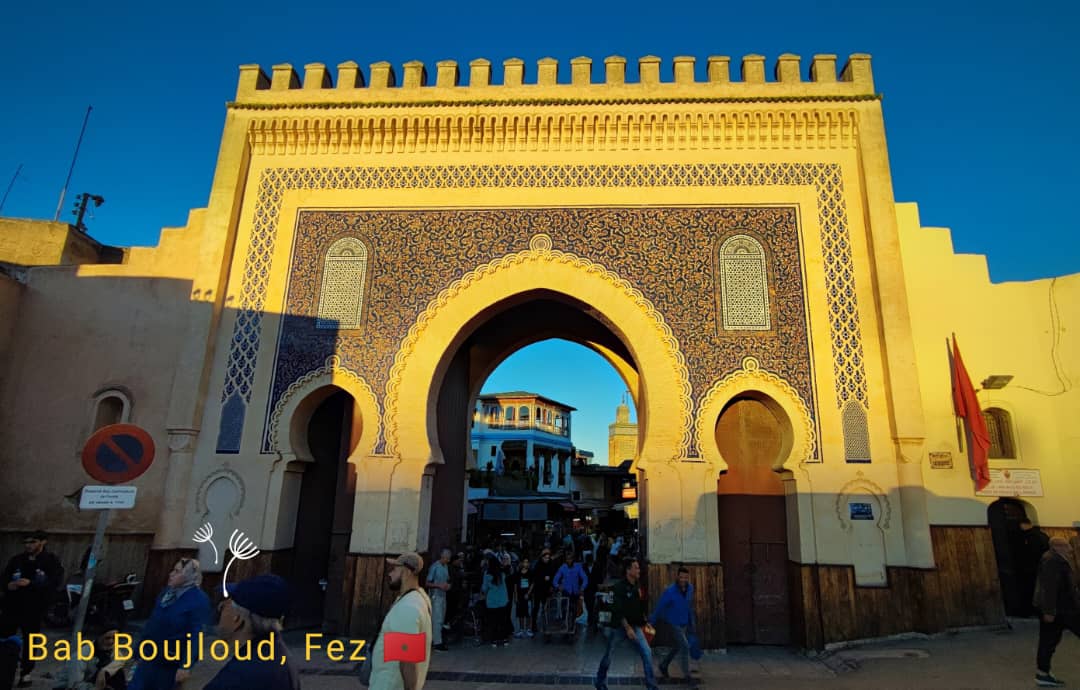
Hidden Gems in Fes: 8 Places Beyond the Main Medina Route
What are the best hidden gems in Fes?
The best hidden gems in Fes are the Merenid Tombs for a view over the whole city, Dar Batha Museum for Islamic arts, a working pottery or zellige workshop, the gardens near Bab Bou Jeloud, and Fes el-Jdid with the Mellah. Allow one extra day beyond the main medina walk, and confirm opening hours locally.
Fes is not only a stop on a Morocco itinerary. It is a living cultural centre whose historic medina preserves centuries of architecture, craft, food and everyday life. This guide covers quieter places for travellers who have more than a quick medina visit.
Opening hours, access and restoration work change, and a place that feels quiet one month can be busy the next. Confirm details locally before you go.
Quick facts
| Question | Short answer |
|---|---|
| Best viewpoint | The Merenid Tombs, above the city |
| Best for crafts | A Fes pottery or zellige workshop where artisans demonstrate their work |
| Best for art and architecture | Dar Batha Museum |
| Best quiet break | A garden or riad courtyard away from the busiest souk routes |
| How much time? | One extra day for a selective visit, two days to slow down |
| Verify first | Opening hours, closures, taxi access, guide requirements, photography rules |
Why look beyond the main medina route?
The Medina of Fez is the essential starting point. UNESCO describes it as a historic urban landscape founded in the ninth century, with major monuments and an urban fabric shaped especially in the Marinid period (source: UNESCO World Heritage Centre, Medina of Fez).
Going beyond the most photographed lanes gives you a different way to understand the city. You can see Fes from above, spend time with a craft, pause in a garden, or visit a museum without trying to fit everything into one crowded walk. The goal is not to collect secret addresses. It is to choose experiences that add context and suit your pace.
1. The Merenid Tombs: the classic view
The Merenid Tombs are ruins on a hill above Fes. From here the dense medina, the surrounding hills and the newer districts come together in one scene, so it is one of the best places to understand the city’s scale.
Go late in the day if conditions and access allow, and arrange your return in advance. The site is exposed, and the experience depends on weather and visibility. Use a guide or a trusted driver rather than walking alone, especially near dusk.
Best for: first-time visitors, photographers, history lovers. Plan for: a short uphill visit, comfortable shoes, water and a confirmed return.
2. Borj Sud and Borj Nord: two more viewpoints
Fes has more than one high point. The Borj Sud terrace is described by Moroccan tourism sources as a place with views over the city. Borj Nord, a 16th-century fortress on the northern hills, adds a sense of the city’s defensive history, and has housed a museum of arms. Check whether the museum is currently open.
These viewpoints help explain the city’s topography. Light at the end of the day is usually best.
Best for: travellers who enjoy city geography and quieter open-air stops. Plan for: transport, sun protection and a clear meeting point.
3. Dar Batha Museum
Dar Batha is a good choice for a calmer cultural stop. It is a late 19th-century palace, and its Andalusian-style garden is a large part of the building. According to the Fondation Nationale des Musées, the museum reopened after restoration and now focuses on Islamic arts, with manuscripts, carpets, textiles, ceramics, metalwork and other objects.
Use it as a bridge between the busy medina and the craft traditions behind what you see in the workshops. Look at repeated motifs, carved wood and painted surfaces.
Best for: art and architecture lovers, and rainy-day planning. Plan for: checking the official listing for opening days and ticket prices before you go.
4. Jnan Sbil gardens
Jnan Sbil is a public garden near Bab Bou Jeloud, between Fes el-Bali and Fes el-Jdid. It is a useful place to slow down before or after a long walk through the old city.
Treat it as a green rest stop rather than a secret. Combine it with a nearby café or a short walk along the medina edge. Visitor numbers, maintenance and access can vary.
Best for: families, a low-effort break, resetting between sights.
5. A pottery and zellige workshop
Fes is closely linked with Moroccan ceramics and zellige, the small geometric mosaic tiles used in architecture. Choose a workshop where an artisan explains the process: preparing clay, shaping, glazing, painting, firing, and cutting tile.
A worthwhile visit makes the craft clear instead of simply showing finished pieces. Ask whether demonstrations are scheduled, whether prices are marked, and whether you can look without pressure to buy.
Best for: families, design lovers, travellers who want to see how things are made. Plan for: a short demonstration and browsing time. Arrange in advance if you want a hands-on session.
6. Artisan quarters beyond the postcard route
The medina is a working city as well as a heritage site. With a knowledgeable guide you can see workshops and specialist trades that get less attention than the best-known viewpoints and tanneries.
Be respectful. Ask before photographing people or work in progress, avoid blocking doorways, and buy directly when you genuinely want something. A guide can explain which workshops are active and how to move through residential areas without intruding.
Best for: repeat visitors, ethical shoppers, travellers interested in living heritage. Plan for: a flexible route instead of a rigid list of addresses.
7. Fes el-Jdid and the Mellah
Fes el-Jdid, or “New Fes”, was founded by the Marinids in 1276 as a royal city beside the older Fes el-Bali. The Mellah, the historic Jewish quarter within it, is among the earliest in Morocco and adds a different layer of the city’s history. Look for balconies, doors and street layouts that differ from the old medina.
Walk it with a guide who can explain the history carefully. Treat it as a living neighbourhood, not a tourist attraction. Access to synagogues and other heritage buildings varies, so confirm arrangements before each visit and follow guidance on photography and conduct.
Best for: history-focused visitors and architecture lovers. Plan for: a half-day route that connects several areas.
8. A quiet courtyard, a hammam or a food route
Some of the most memorable calm places in Fes are not attractions. A riad or restaurant with an inner courtyard may welcome visitors for mint tea or lunch. Ask in advance whether non-residents are accepted and whether photography is allowed.
A hammam can be a good rest after long walking days if you choose a reputable one that explains what is included, the privacy and the tipping before treatment begins. A short food route with a local guide, covering bread, pastries, soups and slow-cooked dishes, shows how people actually eat. Choose busy vendors with high turnover, and tell your guide about allergies beforehand.
How many days do you need?
Allow one extra day if you want to combine the medina with a viewpoint, a museum or garden and one craft or food experience. Allow two days for a deeper route through Fes el-Jdid, the Mellah and the artisan areas.
A practical rhythm:
- Morning: guided medina walk or a workshop visit while the streets are active.
- Midday: lunch and a rest in a courtyard.
- Afternoon: museum, Fes el-Jdid or the Mellah.
- Late afternoon: the Merenid Tombs or another viewpoint if conditions are good.
When is the best time to visit?
Spring (March to May) and autumn (September to November) are generally the most comfortable for walking. Summer can be very hot in the afternoon. Ramadan, public holidays, rain, restoration work and local events can all change opening hours and crowd levels, so check before you plan around a single site.
How to visit Fes respectfully
Dress modestly near religious sites and in residential areas, ask before photographing people or private spaces, and keep your voice down near places of worship and homes. Treat artisans as professionals, not performers, and ask before filming. Fes is a living city, not an open-air set.
Add these places to a private Morocco itinerary
Paradijom designs private, tailor-made tours that include Fes. Its Custom Luxury Tours Morocco page presents an eight-day private route through Marrakech, Fes, Meknes, Rabat and the High Atlas. If you want to combine Fes with the desert and the kasbahs, see the Southern Gateway Tour. For a longer trip, see the 14-day Morocco Grand Tour.
To plan a Fes-focused trip around your interests, mobility and dates, contact Ben Khalid for a free consultation.
Frequently asked questions
What is the most overlooked place to visit in Fes? The Merenid Tombs are often the easiest high-value addition because they show the geography of Fes from above. For a less viewpoint-focused visit, choose a verified artisan workshop, a Fes el-Jdid route or a museum visit with a local guide.
Is Fes safe for independent travellers? Many visitors explore Fes on their own, but the medina is dense and easy to get lost in, especially after dark or when looking for a particular workshop. Use normal precautions, arrange reliable transport and consider a trusted guide for unfamiliar routes.
Are the Merenid Tombs free to visit? Access conditions change, and the visit may involve transport rather than a formal ticket office. Confirm current arrangements locally. The end of the day is a popular time for the view, and going with a guide or driver is sensible.
Can I visit Fes pottery workshops without buying anything? Some workshops welcome visitors for demonstrations, while others are mainly shops or need an appointment. Ask before entering, clarify any fee, and never feel obliged to buy.
Is Dar Batha Museum open every day? No. Opening days, hours and prices are set by the museum and can change with restoration, exhibitions and holidays. Check the Fondation Nationale des Musées listing on the day you plan to go.
What should I wear in Fes? Comfortable walking shoes, modest clothing near religious and residential areas, sun protection, and a layer for cool mornings and evenings.
Can Paradijom create a private Fes itinerary? Yes. Paradijom designs private, tailor-made Morocco itineraries that can include Fes, private guides and luxury accommodation.
Final takeaway
The best hidden gems in Fes are not only places with fewer visitors. They are viewpoints that explain the city, crafts connected to working hands, museums and gardens that reward a slower pace, and neighbourhoods where history feels lived rather than displayed. Keep your plan flexible, verify access locally and let a trusted guide connect the places for you.
“For a fully personalised private experience, see our luxury Morocco tours designed by Ben Khalid.”
